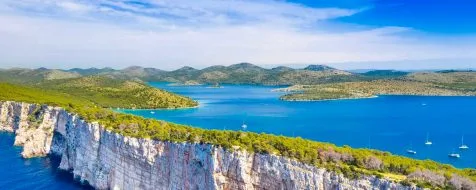
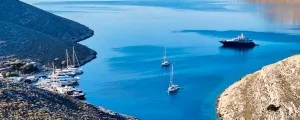
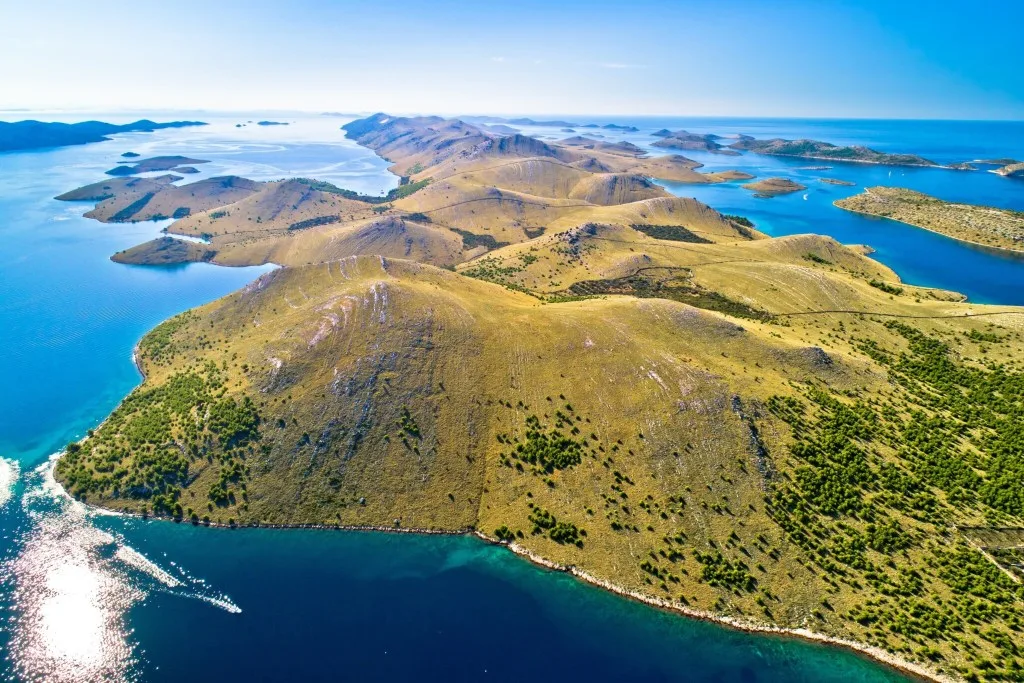
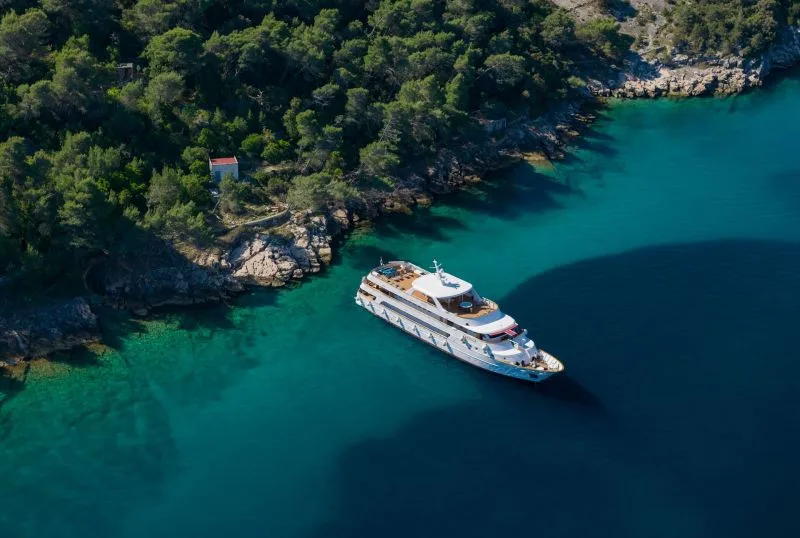
“The Kornati are the empty Adriatic: bare white islands, a jetty with four tables and no road behind it, and nobody else in the bay.”
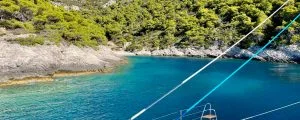
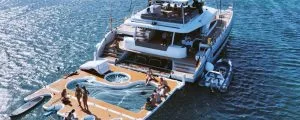
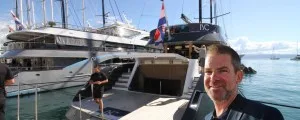
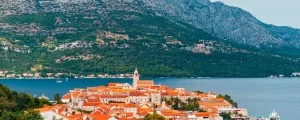
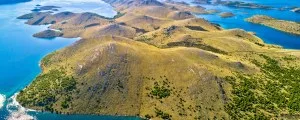
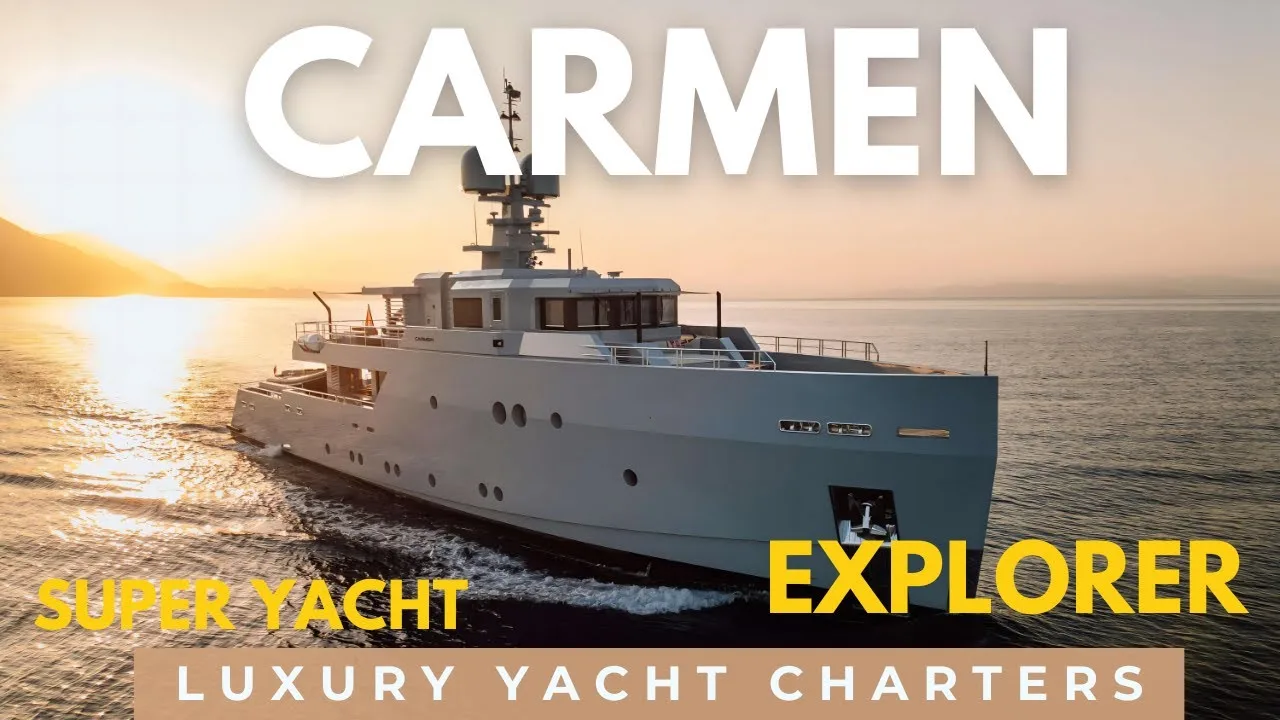
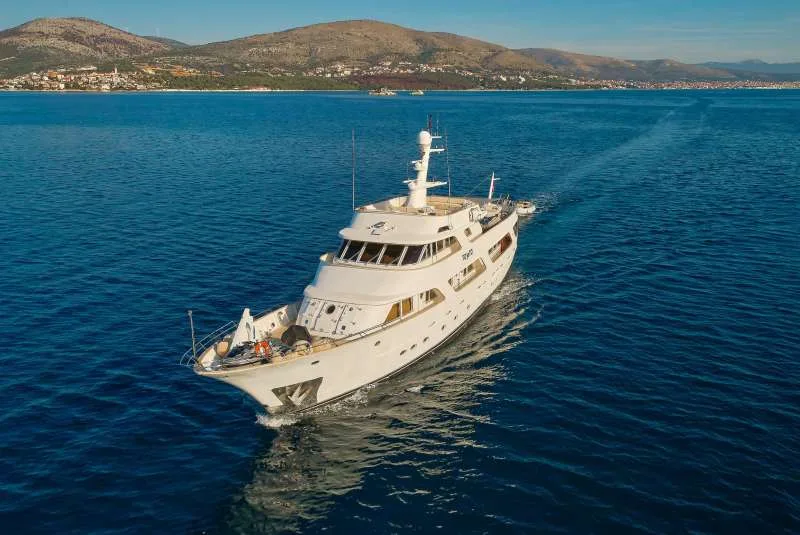
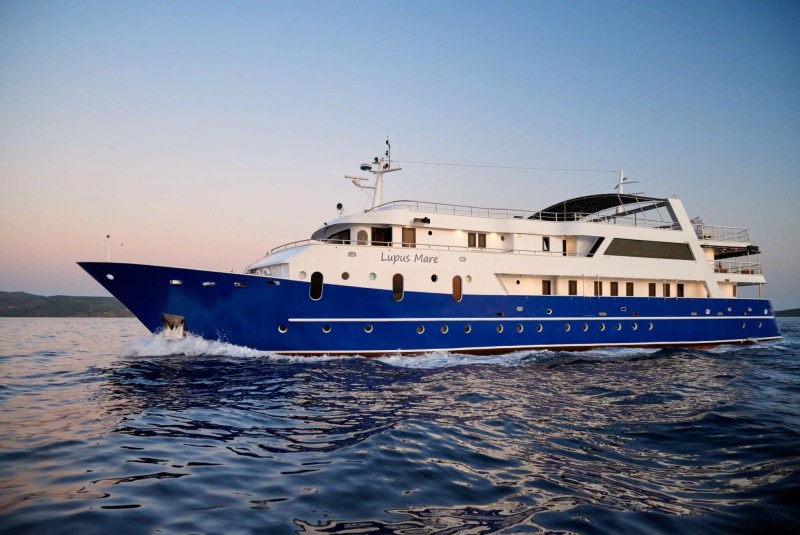
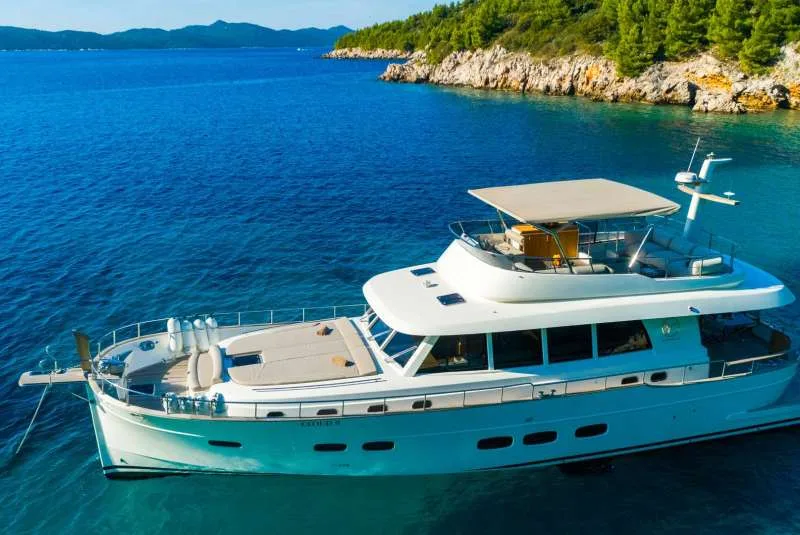
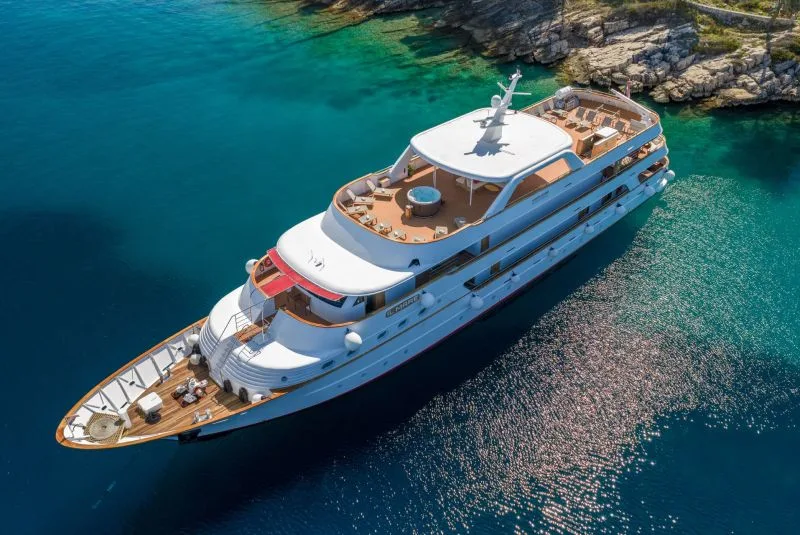
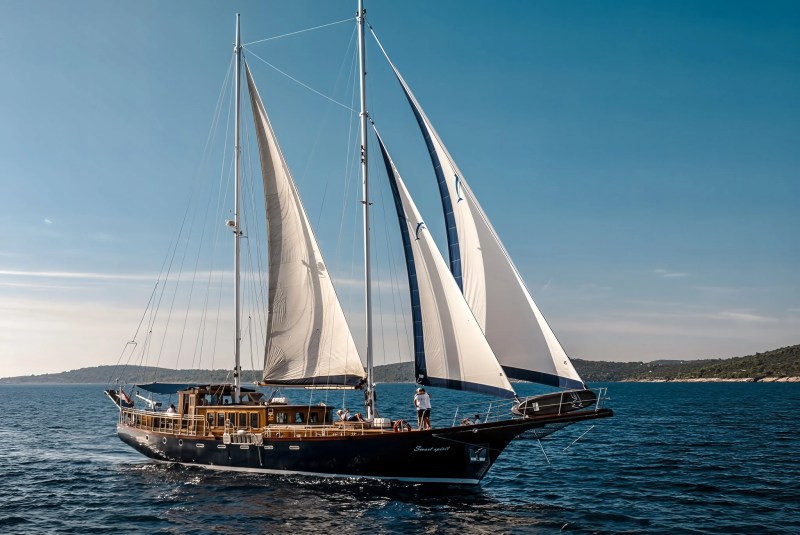
The Kornati are a tight chain of some 140 islands, islets and reefs between Zadar and Šibenik, most of them inside Kornati National Park: pale limestone with almost no trees, no towns, a handful of stone houses and restaurant jetties, and water clear enough to read the bottom at anchor. Our brokers call it the closest thing Croatia has to wilderness sailing, and the captain of the explorer yacht CARMEN told us on camera that it is his favourite part of the coast.
It is not a place for nightlife or big marinas. It is a week of anchoring in remote bays, eating what the konoba caught that morning, and waking up to stone, sea and sky, which is why it stays quiet: one yacht we work with did sixteen charter weeks in a season and only one went north. Our seven-day Šibenik week is built around it, and our national parks guide pairs it with Krka.
Must-dos in the Kornati
- The Piškera channel, threading between limestone walls with nothing else in sight
- Lojena beach on Levrnaka, one of the few sandy coves in the park, lunch at the konoba on the hill
- A jetty konoba at Opat or Vrulje, the day’s catch on a wooden table, swim until sunset
- Mana’s cliff-top film set, an abandoned 1950s stone village above the drop
- Telašćica and the Mir lake, forested cliffs and a saltwater lake at the top of the chain
Kornat, Vrulje and Opat: the main island


Kornat is the big island that gives the chain its name, and its south-east end is where most charters spend the night. Vrulje, on the inside, is as close as the park gets to a hub: mooring buoys, solid shelter, and a few family konobas serving grilled fish, octopus and local wine. Opat, at the tip, is the Kornati in one picture: rock, water, and a wooden jetty to a konoba whose menu is whatever came out of the sea that morning. Our clients often end the day here, swimming until sunset and eating grilled dentex with the island’s olive oil.
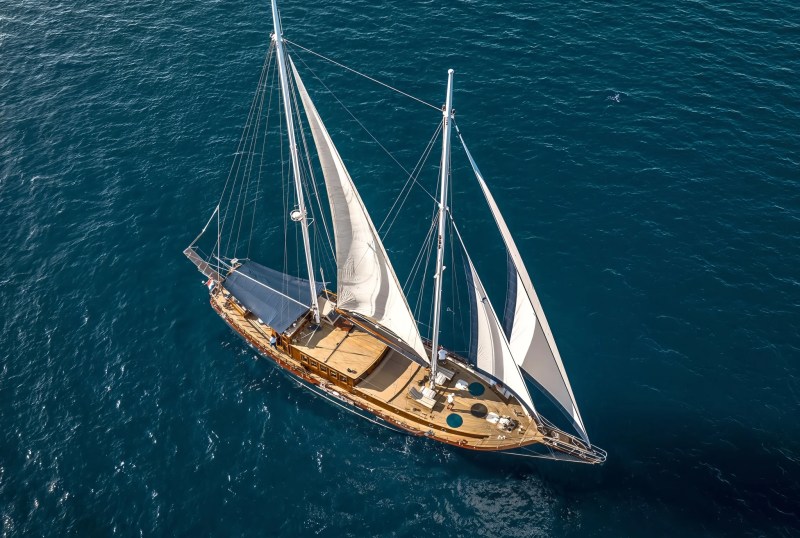
Nights are usually on a restaurant buoy or jetty rather than your own anchor, and the buoys belong to the konobas, so the crew books the evening ahead. Mo’s standing note for large groups is that the Kornati are a poor fit for a high-capacity yacht: there are only a couple of places to get ashore, and the whole point is a boat small enough to sit in a bay alone.
Piškera, Levrnaka and Mana: the outer chain


The outer chain faces the open sea, and the Piškera channel runs through it: a stretch of water between steep limestone walls where sailing feels like threading between the bones of the earth. ACI Marina Piškera sits in the middle of it, open only in season; we do not always recommend docking, but it is the stop for water, fuel or a meal on a full loop of the park.
Levrnaka is the swim stop. Lojena, on its west side, is one of the few sandy beaches in the Kornati, a bright turquoise cove that is shallow enough for paddleboards and quiet enough to float in silence, and Konoba Levrnaka up the hill serves grilled fish and wine with the view across the bay; we recommend it to guests who want one relaxed meal in the heart of the archipelago. Mana, next door, has sharp cliffs straight into deep water and an abandoned stone film set on top, built for a Yugoslav production in the 1950s and never taken down; the motorsailer LADY GITA has a tradition of setting private dinners up there among the ruins.
Telašćica, Sali and Žut: the top of the chain and the way back


Telašćica is technically outside the Kornati, at the southern tip of Dugi Otok, and it is on the same week: a long, sheltered bay with forested slopes, the saltwater lake Mir a short walk from the anchorage, and cliffs on the outside of the island that drop straight into the sea. The anchorages are calm and well protected, which makes it the night for a swim off the stern and a walk ashore. Sali, a small village further up Dugi Otok, is the quiet stop after it, still largely untouched by tourism.
Our seven-day week runs Zlarin, the national park, Telašćica, Sali, then back down the inner chain: Žut, an island that feels like the middle of nowhere and is prized for exactly that, and a cove on Tijat on the last afternoon before Šibenik.
Fitting the Kornati into the week
The Kornati are a week of their own, not a detour. From Šibenik it is 28 nautical miles into the park after a first swim at Zlarin; from Zadar the top of the chain and Telašćica are closer. Dubrovnik and the Kornati do not fit one week: at least 150 miles apart, fifteen hours of cruising at ten knots, as our three-itineraries guide spells out.
- The Šibenik week: seven days, Zlarin, Kornati, Telašćica, Sali, Žut, Tijat, Krka on the last morning; eight if you can, because the extra day makes a big difference.
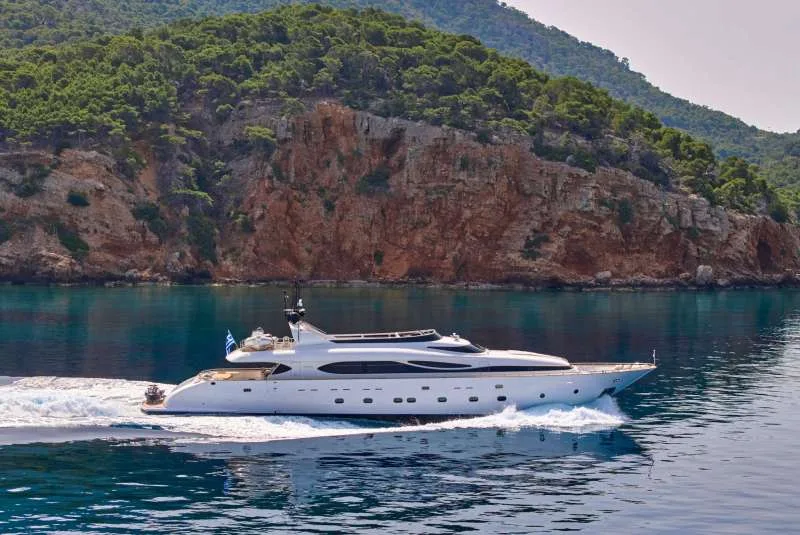
- A day visit from the Split loop: for a group that wants lively evenings ashore, our where-to-charter guide says stay with the Split loop and save the Kornati for a day; a fast motor yacht can stretch a Split week this far north.
- On the way to Venice: our Split to Venice route passes through Zadar and Telašćica on the way north.
National park entry is charged per yacht per day and is bought online or from the park boats; the crew handles it and it goes on the running costs.
People also ask about the Kornati
Can a crewed yacht charter visit the Kornati Islands?
Yes. The park charges an entry fee per yacht per day, the crew books restaurant buoys and jetties for the nights, and the marina at Piškera fills the gaps for water and fuel. Our seven-day Šibenik itinerary is the day-by-day version.
Where do yachts stay overnight in the Kornati?
On restaurant buoys and jetties: Vrulje and Opat on Kornat, Levrnaka, and the seasonal ACI marina in the Piškera channel. Telašćica on Dugi Otok, just outside the park, has calm, well-sheltered anchorages for a night on the hook.
Are the Kornati good for a big group?
Not really. There are only a couple of places to get ashore and the bays suit one yacht alone; a high-capacity boat is better on the Split loop. The Kornati are at their best for couples, families and friends on one yacht who want the empty Adriatic.
Is there anywhere to eat in the Kornati?
Yes, at the konobas: family restaurants on jetties with a few tables and no road behind them, serving what they caught that day. Konoba Levrnaka above Lojena beach and the jetties at Opat and Vrulje are the ones we send guests to.
Kornati or Dubrovnik?
One or the other in a week; they are at least 150 miles apart. Kornati is silence and raw nature, Dubrovnik is the city and the southern islands. Two weeks covers both.
When is the best time to visit the Kornati by yacht?
The konobas and the Piškera marina are seasonal, so the week runs from May to October. Outside July and August the park is quieter still, and it is quiet in any month compared with Hvar or the Split loop.
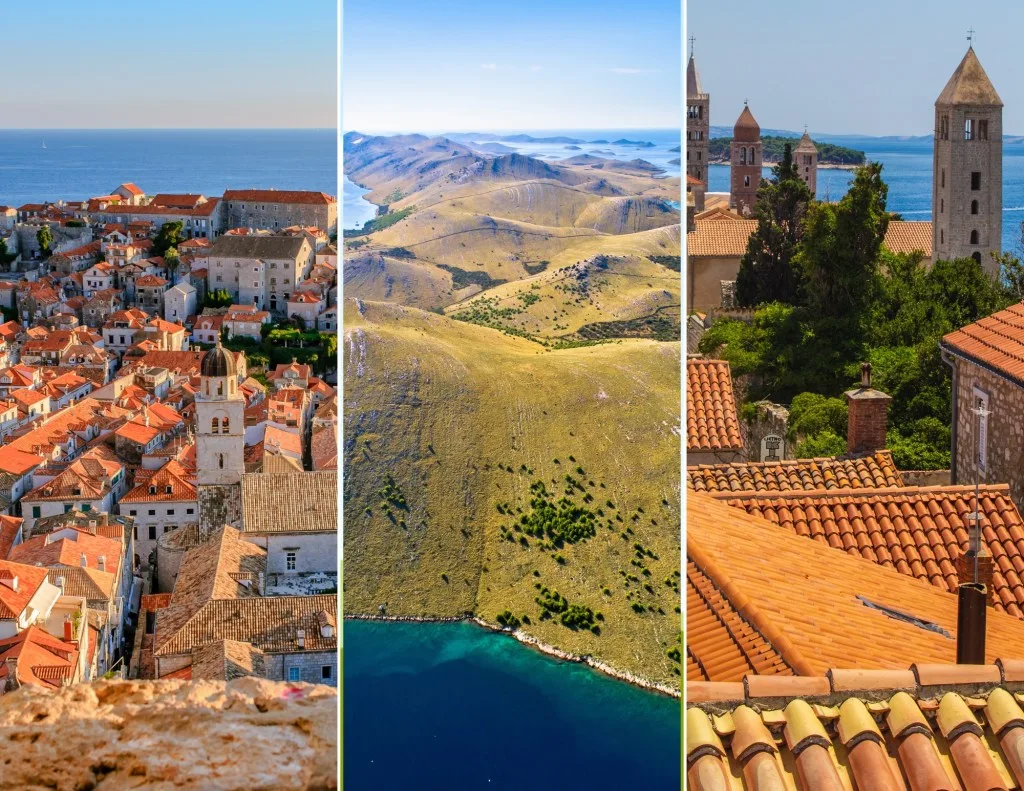
Croatia routes that reach the Kornati.








 iMessage
 WhatsApp