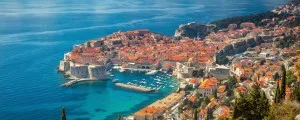
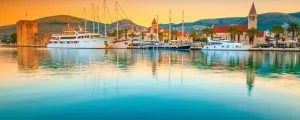
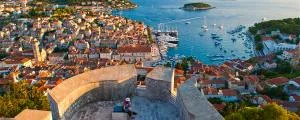
Neither Croatia nor Greece is the better yacht charter destination for everyone, and we can say that honestly because we charter both: this site covers Croatia, and our sister brand My Greek Charter covers Greece. In our experience, Croatia wins on short island hops, calm seas, and a relaxed pace, while Greece wins on icon islands and a deeper fleet of large crewed catamarans and motor yachts. Below is the factor-by-factor version our brokers walk clients through before recommending a coast.
Quick Answer
- Pace: Croatian island hops are short, often about 1 hour between neighbors. Greek islands are usually 3 to 5 hours apart, especially in the Cyclades.
- Wind: the Meltemi hits the Greek Cyclades hardest in July and August. The Adriatic and the Greek Ionian stay much calmer.
- Fleet: Croatia leads on gulets, motorsailers, small-ship cruisers for groups of 12 or more, and one-way routes. Greece leads on large crewed catamarans and motor yachts.
- Money: Croatia adds a flat 13 percent VAT to the charter fee. Greek VAT varies by yacht and itinerary, and a comparable boat often prices lower in Croatia.
Why you can trust this comparison
Most Croatia vs Greece articles are written by companies that only sell one of the two, so the verdict is decided before the first paragraph. We book both coasts every season, and our brokers move clients between the two brands when the fit is wrong, so we have no reason to push either coast. That is why this comparison can afford to be honest.
Pace: how far apart the islands really are
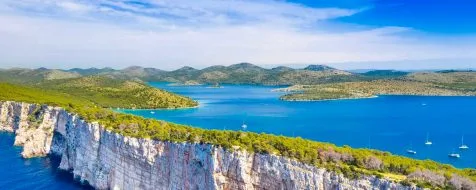
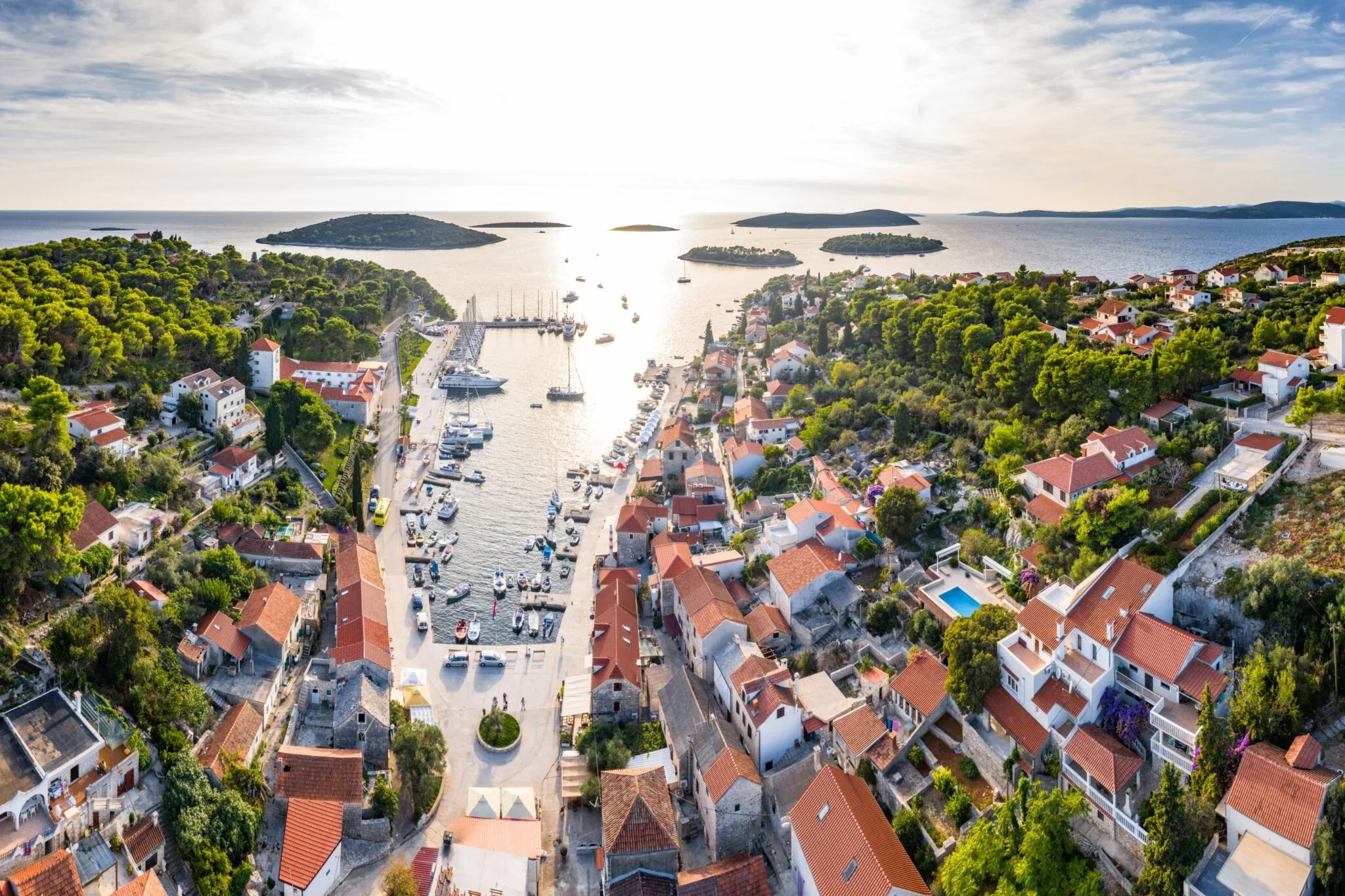
This is the single biggest practical difference. In central Dalmatia, Brac, Hvar, Vis, and Korcula sit within short hops of each other: neighboring islands are often about 1 hour apart, and most travel days need only 1 to 3 hours of cruising in total. In Greece, and especially the Cyclades, the marquee islands are spread across open water, and 3 to 5 hours between stops is normal.
That difference changes the feel of the whole week. A Croatia day can hold a morning swim stop, lunch in a quiet bay, and a new harbor by evening without anyone watching the clock. A Cyclades week that includes Mykonos and Santorini needs real route discipline, earlier starts, and longer passages. Neither is wrong. One is a slow float, the other is a voyage.
Docking follows the same pattern. Croatia’s dense ACI marina network and managed buoy fields mean your crew can nearly always secure a berth or mooring close by, while Greek routes lean on town quays and med-mooring, which the crew handles routinely but plans around more carefully in busy weeks.
Broker insight
From a typical Croatian anchorage you can usually reach 4 different islands within about 1 hour of cruising, and our Croatia repeat rates are so good because of that.
 Mo Pristas
CharterGuru
Mo Pristas
CharterGuru
Wind: the Meltemi vs the Adriatic
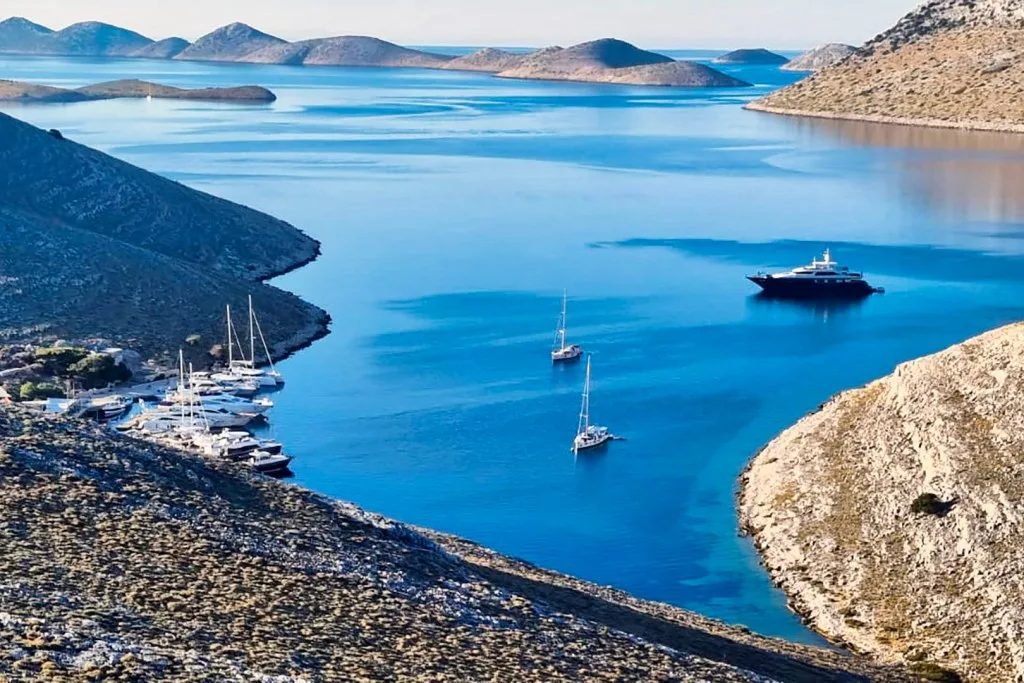
The Meltemi is a dry northern wind that blows across the Aegean in summer and peaks in July and August, and it is the main reason Greek itineraries change. The good news comes in the same breath: it is a route problem, not a trip problem. The Greek Ionian is far calmer all summer, June and September are far gentler in the Cyclades, and an experienced captain plans around the forecast rather than through it.
Croatia simply does not have an equivalent. The Adriatic islands hug the coast and shelter the channels between them, so in our experience weather rarely forces a Croatian itinerary to change in summer. If anyone aboard is nervous about open water or seasickness, that alone can settle the choice.
Broker insight
I tell clients straight that in July and August there is a real chance the Cyclades will not work as planned, and I advise them to look at June or September instead.
 Louis Lamprell
Charter Broker, Active CYBA Member
Louis Lamprell
Charter Broker, Active CYBA Member
The fleets are not the same fleet
Choosing the coast also chooses the boats you can pick from, and the two fleets have different characters.
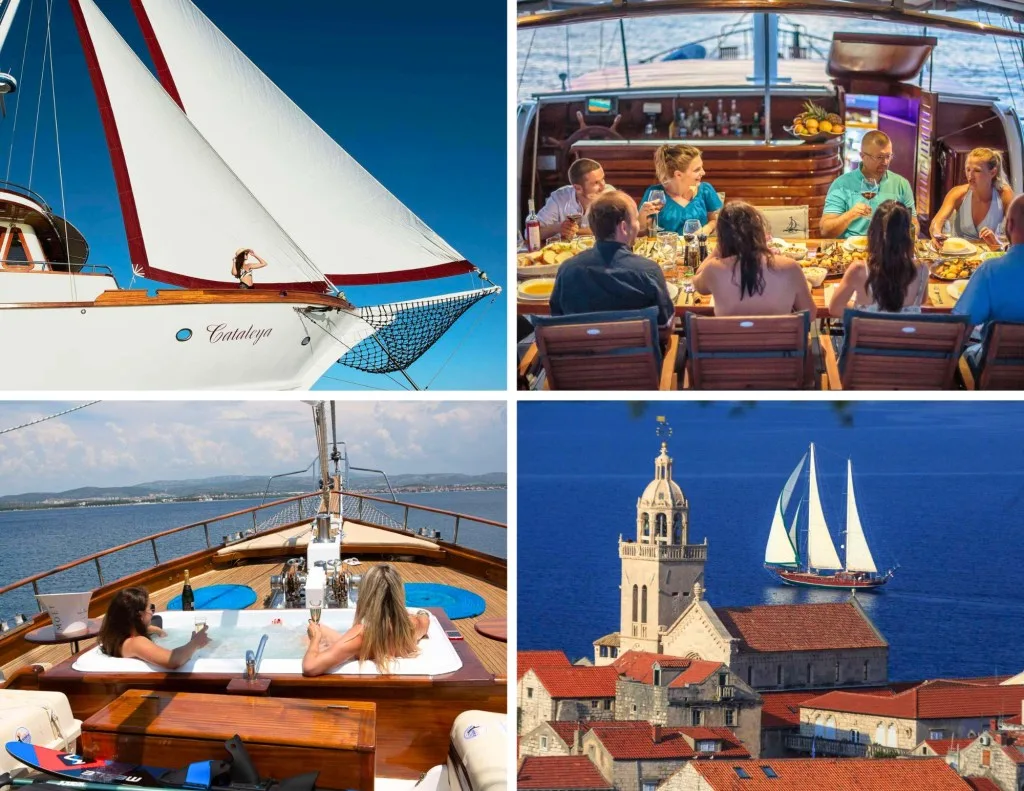
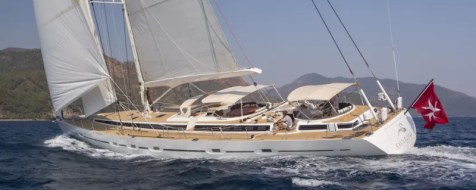
Croatia runs one of the deepest crewed gulet and motorsailer fleets in the Med, a category Greece barely offers at the same depth, and it has built a modern fleet of small-ship cruisers designed for groups of 12 or more. When a large family or friend group asks us for 1 boat instead of 2, Croatia is usually where we find it. One-way routes such as Split to Dubrovnik are also a standard, well-supported product here.
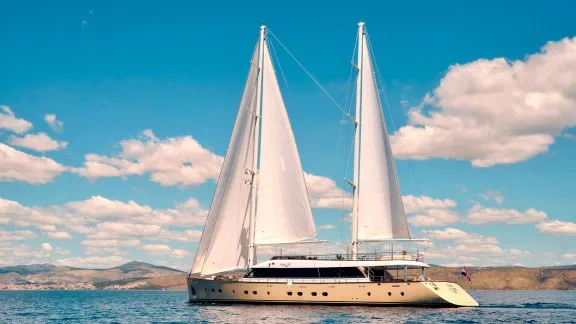
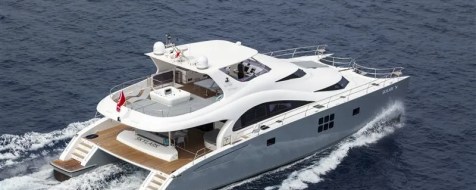
Greece counters with a larger pool of big crewed catamarans and crewed motor yachts, which is why clients set on that style of boat often end up Greek-side. That does not mean Croatia cannot host the top end: large crewed motor yachts and superyachts run out of Split and Dubrovnik every summer, so a no-compromise luxury charter is available on either coast. One honest note from our inspections: crew style and service level vary more between boats in Croatia than in some fleets, which is exactly why we recommend from client references and from boats our brokers have stepped aboard at charter shows and fleet visits, rather than from brochures. Tell us what standard you expect and we will point you at boats we have seen deliver it.
VAT and money
Croatia keeps the tax math simple: charter VAT is a flat 13 percent on the charter fee, and our quotes always show it broken out, so you can budget from the number in front of you. Greek VAT depends on the yacht’s certification and the itinerary, and reduced rates apply to many yachts, so the written quote states the exact rate for that boat and route.
On the boats themselves, a comparable yacht often prices lower in Croatia, so the same budget tends to buy you more yacht here, not a lesser tier of boat. Greece’s crewed fleet skews larger, and weekly budgets there often run higher with it. For real numbers by yacht type, see our Croatia yacht charter price guide.
Crowds and icon islands
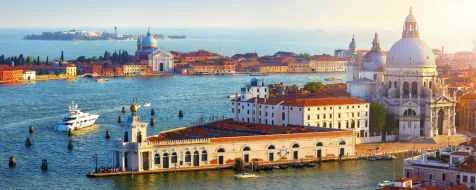
Greece owns the names your group has already heard: Santorini and Mykonos pull people across the world, and no Croatian island has that global gravity. Croatia’s headliners, Hvar and Dubrovnik, are famous in their own right, and in July both coasts are genuinely busy.
The yacht is what makes the crowds workable on either coast: dinner in the busy harbor, then a quiet bay to yourselves overnight. Croatia’s advantage is density. With so many minor islands and coves within an hour of the famous ones, the escape move costs you almost nothing. In Greece the icons are bigger prizes, and you pay for them in route time.
So which should you pick?
Pick Croatia when you want a relaxed first Med charter, when kids or seasickness worriers are aboard, or when your group is larger than 12 and wants 1 boat. It is also the natural pick when a gulet or small-ship cruiser appeals, or when you would rather collect 8 islands gently than chase 4 across open water. Pick Greece when Santorini or Mykonos is the point of the trip, when you want the widest choice of large crewed catamarans and motor yachts, or when you are happy to trade longer passages for bigger icons, with the Ionian there as the calm option.
We book both coasts, so we have no side to take. Tell us the week you have in mind and we will tell you plainly which coast fits, because either way you are chartering with us. If you would rather browse first, start with our Croatia yacht charter itineraries to see what an Adriatic week looks like day by day.
People also ask
Is Croatia or Greece better for a first yacht charter?
For most first-timers we recommend Croatia, because 1-hour island hops, calm sheltered water, and flexible routes make an easy first week aboard, with the crew handling everything. Choose Greece first if seeing Santorini or Mykonos by yacht is the reason you are booking.
Is a yacht charter cheaper in Croatia than in Greece?
For a comparable boat, yes: the same budget usually buys you more yacht in Croatia, not a lesser tier of boat. The flat 13 percent VAT also keeps budgeting simple, while Greek VAT varies by yacht and itinerary, and Greece’s larger crewed yachts usually mean higher weekly budgets.
When is the best time to charter in Croatia vs Greece?
June and September are the sweet spot in both countries, with warm seas and lighter crowds. July and August work well in Croatia and the Greek Ionian, but they are the peak Meltemi months in the Cyclades, so we route Aegean charters more carefully then.
Can you combine Croatia and Greece in one yacht charter?
A few yachts will do it, but relocation fees are quoted case-by-case and can run into 5 figures, licensing limits which boats can cross, and we usually suggest at least 10 days aboard. Most clients pick one coast, and adding Montenegro to a Croatia route is the easier 2-country trip.










 iMessage
 WhatsApp